epanet-js

Bliss 2 | Font Family Better

No installs. No forced cloud storage. Just fast, local-first water modeling — powered by the engine you already trust.

The EPANET user's dilemma

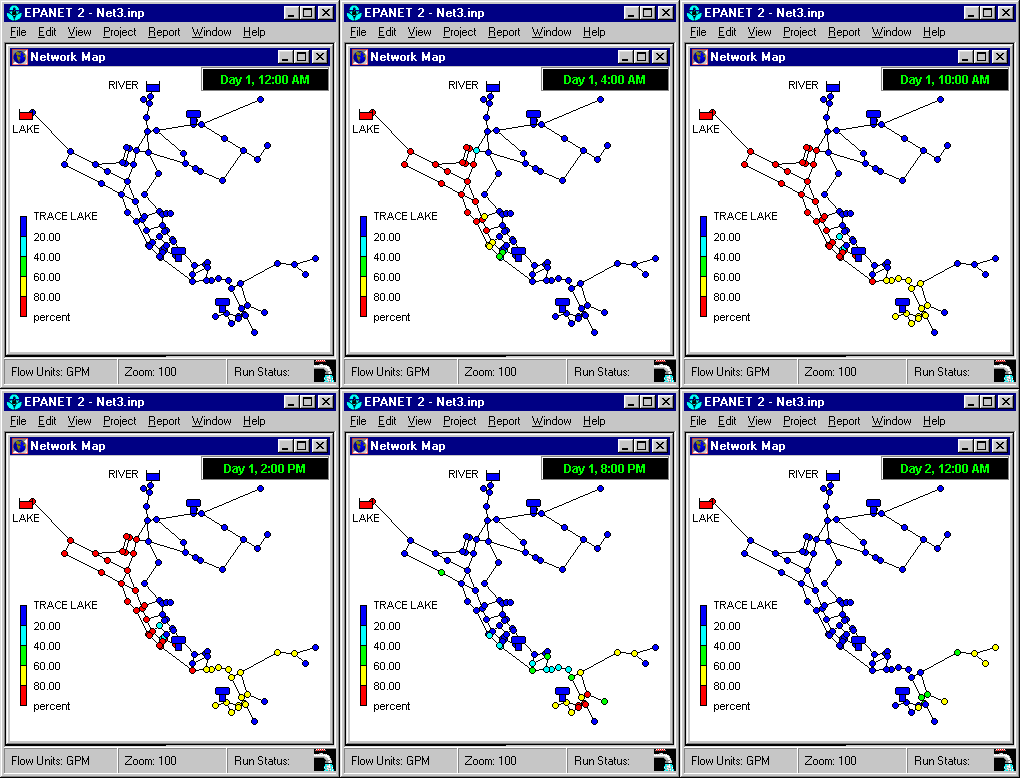
  • Classic EPANET is powerful — but clunky and outdated. Workarounds become your workflow — slow and cumbersome.
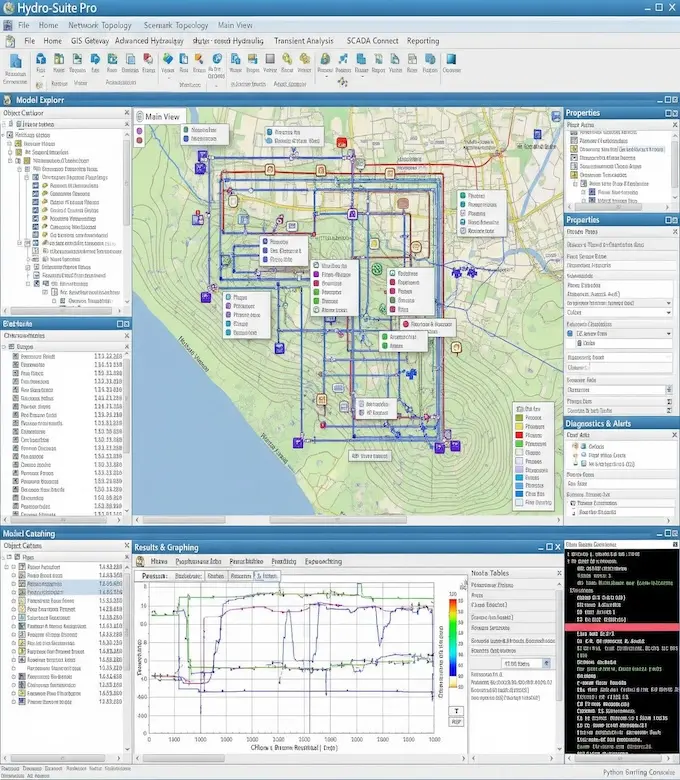
  • Big-name platforms look polished, but they're overpriced and bloated with features you don't need to analyze your network quickly.
  • Modern browser-based tools exist — but they force your data into the cloud, raising privacy and compliance concerns. Plus, they offer little for those doing long-term planning and analysis.

You shouldn't have to choose between speed, security, and affordability just to understand your water networks.

Old EPANET UI
Complex Modeling App

Bliss 2 | Font Family Better

Why the Bliss 2 Font Family is Better for Corporate Identity and Design

The "better" aspect of Bliss 2 shines in its legibility, particularly at small sizes. The x-height, letterforms, and counter spaces were optimized for screen rendering, making it an excellent choice for user interfaces (UI) and long-form digital reading.

While Gill Sans is a classic, it can feel dated and has inconsistent legibility. Bliss 2 offers a similar humanist warmth but with updated proportions and better digital performance.

The University of Worcester, Bath Spa University, and Solent University for unified academic branding. bliss 2 font family better

: Its open apertures and distinct letterforms make it highly readable on low-resolution screens and from a distance. Comprehensive Toolset

The original Bliss family was notoriously limited. You had Light, Regular, Bold, and maybe an Italic. That was it. For complex UX/UI design systems requiring 10 different typographic scales, this was a nightmare.

If you are looking to integrate this font family into your next branding or UI project, let me know: Why the Bliss 2 Font Family is Better

Its versatility makes it a "better" fit for diverse industries compared to single-purpose typefaces. Why Bliss 2 is Better

: Stick to fonts that share its "humanist" warmth; avoid pairing it with cold, rigid geometric fonts that might clash with its soft terminals. Nielsen Norman Group specific CSS code for implementing Bliss 2 on a website or a list of available licenses

Frutiger is cold but safe. Gill Sans is classic but broken on web. Proxima Nova is overused and lacks the unique "human touch" of Bliss 2. If you want a font that feels friendly without being casual, and professional without being boring, Bliss 2 is strictly better . Bliss 2 offers a similar humanist warmth but

Originally designed by Jeremy Tankard in the 1990s, the typeface underwent a rigorous, thoughtful update to become the . This update wasn't just a minor refresh; it was a comprehensive re-engineering designed to make a good font better, more adaptable, and highly suited for the high-resolution, multi-platform demands of 2026.

Letters lock together naturally, preventing awkward gaps or overlapping text.

The Bliss 2 font family offers a superior typographic solution by successfully combining aesthetic warmth with technical precision. By resolving the legibility flaws of older humanistic typefaces while avoiding the cold monotony of neo-grotesques, Tankard has created a versatile, enduring typeface that elevates any design project.

If you’re looking to implement Bliss 2 on your own site, you can typically import the font face via CSS using @font-face declarations. This allows you to call specific weights, like Bliss 2 Medium, directly into your stylesheet to elevate your brand’s visual hierarchy. Final Thoughts

: The wide weight range allows designers to build cohesive, expressive hierarchies across magazines, annual reports, and text-heavy websites. Conclusion
Model water networks instantly.

No setup or downloads — just instant access right in your browser.

Start modeling now

EPANET deserves better — and so do you.

EPANET was a gift to the industry — free, open-source water modeling for all. But commercial vendors built on it, locked away improvements, and left the community behind.

epanet-js is our answer: a faster, simpler, affordable water modeling tool that protects your privacy and sustains the open-source future of water modeling.

We're proud to be part of the next chapter — and we're just getting started.

EPA logo
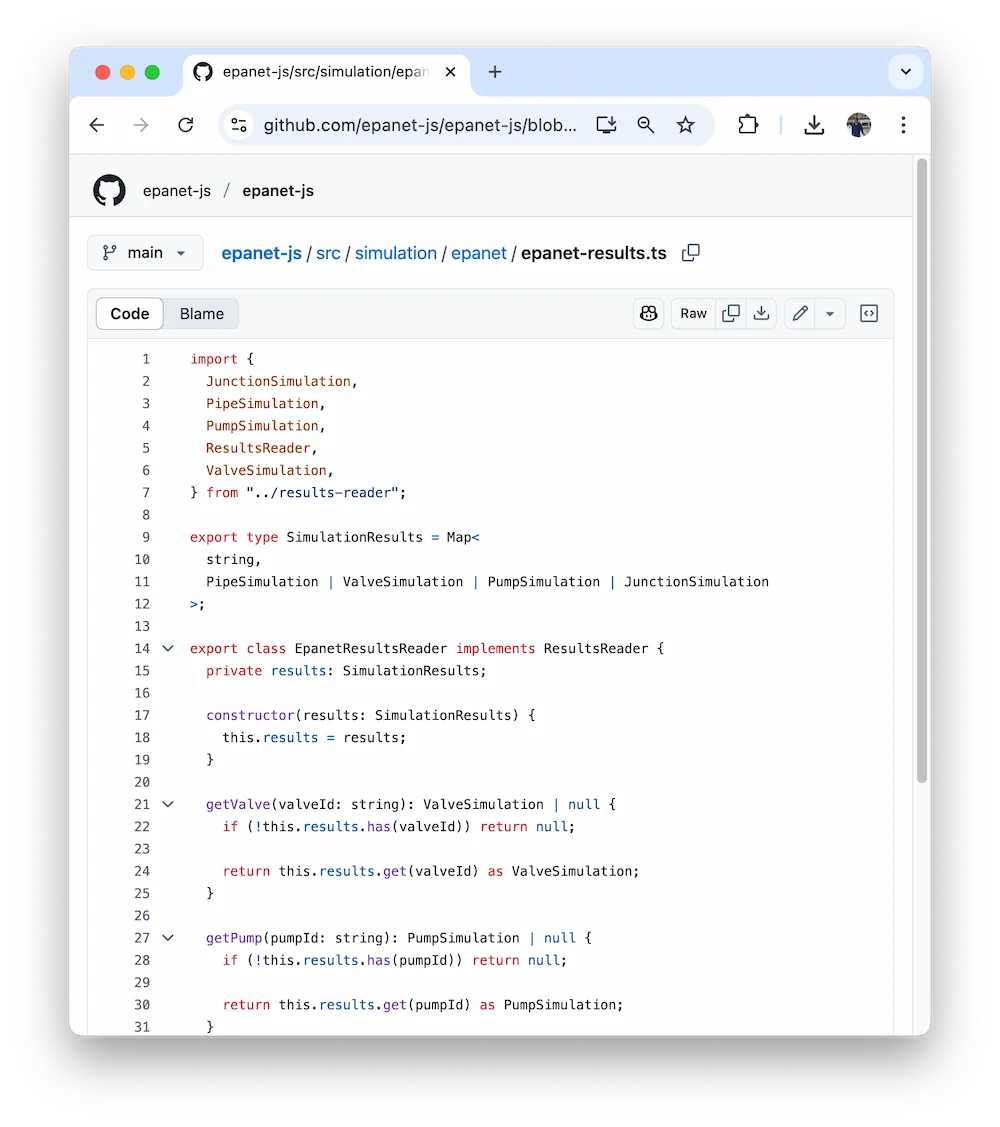
Source code of epanet-js on GitHub

When you support epanet-js, you support EPANET.

When you purchase more features in epanet-js, you're investing in the future of open-source EPANET development.

Our open-source model balances innovation and accessibility:

Anyone can build on our code. The two-year commercial-use delay gives us the incentive to keep pushing forward — and that fuels progress for everyone.

That means when you support us, you support more affordable hydraulic modeling software for the entire community.

Simple, transparent pricing for every kind of modeler.

Choose the plan that works for you

Free

For everyone.$0 /yr
  • Web based EPANET model
  • Background maps and satellite
  • Automated Elevations
  • No limits on sizes
  • Community Support

ProMost popular

Advanced modeling & scenarios$950 /yr

Individual named license

Everything in free, and:
  • Scenarios
  • Professional support
  • Custom layers
Coming soon:
  • Cloud storage
  • Point in time restore - 30 days
  • Demand analysis

Teams

Centralized control & collaboration
$4400/yr

Base cost

+
$600/yr

User

Everything in Pro, and:
  • Priority support
  • Self-service seat management
  • Pay by invoice
Coming soon:
  • Team storage
  • Point in time restore - 90 days
  • Sharing models

Have questions? or book a call.

Special access for personal and educational use

Available for non-commercial projects, learning, and student work.

Personal

$100/yr

For curious minds and personal growth.

Everything in pro, but:
  • Community support only
  • Non-commercial usage

Education

$0/yr

Free for students and teachers.

Everything in pro, but:
  • Community support only
  • Non-commercial usage

Frequently asked questions

Find answers to common questions about epanet-js.

Just open your browser and model.

No install. No login. No cloud required.

Launch epanet-js now

You may not know this, but for decades, the U.S. EPA has given the water industry an extraordinary gift: the free and open-source hydraulic modeling software EPANET. Odds are, if you've used any commercial hydraulic modeling software today, it was built on the EPANET engine.

The problem is, instead of giving back to their open-source roots like other industries do, big-name software vendors took EPANET's open code, built private tools on top of the engine, and then locked those improvements behind patents and proprietary licenses.

Some vendors even pressured the EPA to focus only on the engine — discouraging any effort to improve the interface or user experience for everyone else.

Those vendors now charge you exorbitant prices to use their software while EPANET lags behind — and utilities, engineers, and educators with smaller budgets suffer.

We think this is backwards — and we're on a mission to change it. We're focused on creating a better experience for the entire hydraulic modeling community.

That's why we built epanet-js under an FSL license — because we want to give you an affordable, easy-to-use water modeling option that creates a sustainable future for open-source EPANET development.

Support EPANET by using software that supports it back.

A better future for water modeling.

Simple, quick, and useful right out of the gate — designed to open-and-go.

Launch epanet-js now